

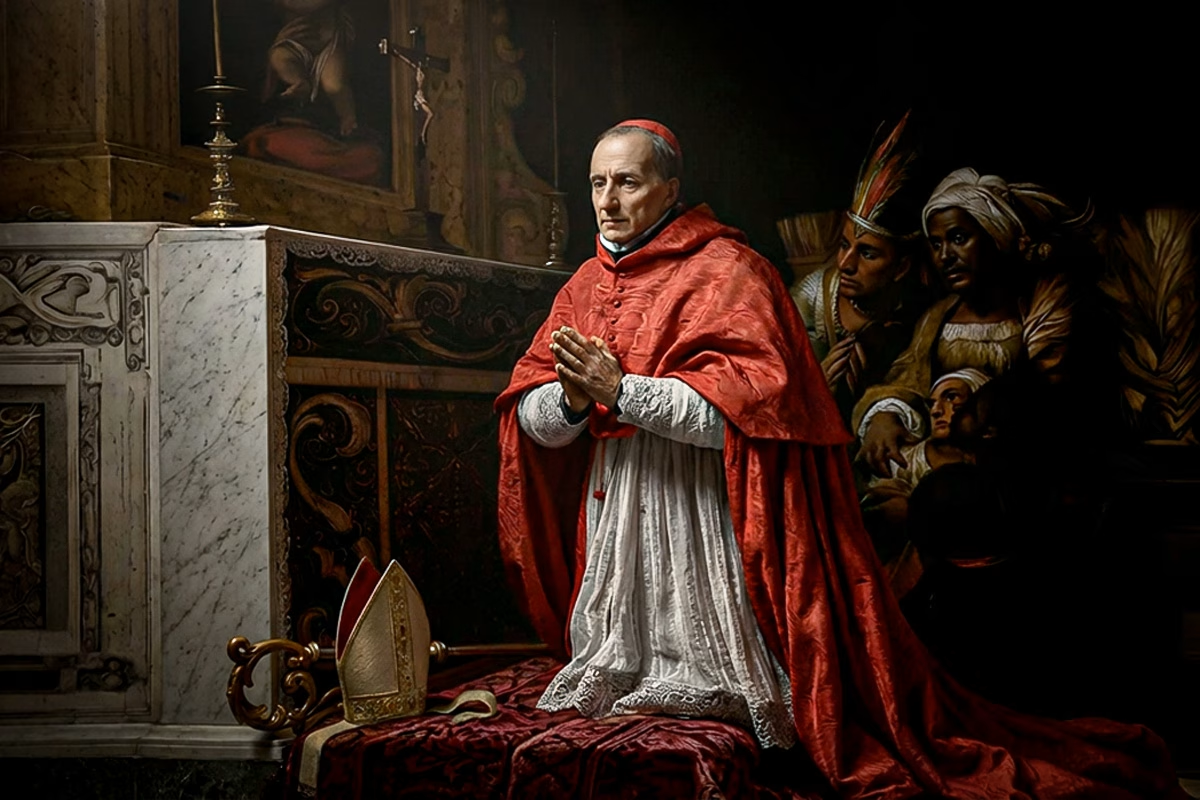
Saint Turibius: Shepherd of Justice
Catholic leaders can draw profound lessons from St. Turibius de Mogrovejo (1538–1606), the Spanish layman unexpectedly appointed Archbishop of Lima, Peru, who became a model bishop in the colonial era.
Despite initial reluctance—he was not a priest and protested the appointment—Turibius embraced obedience to God’s call, showing humility and willingness to serve beyond personal comfort or plans. He tirelessly visited his vast diocese (often on foot), personally baptizing and confirming hundreds of thousands, including St. Rose of Lima.
Leadership Lessons for Catholic Leaders
He prioritized evangelization and inculturation by learning indigenous languages (Quechua and Aymara), producing trilingual catechisms, and mandating their use. This promoted accessible faith formation and respected native cultures.
Turibius fearlessly defended the dignity and rights of indigenous peoples against colonial exploitation and clerical abuses, confronting powerful interests as patron of native rights and Latin American bishops.
He implemented reform and structure: convening councils (including the Third Council of Lima), founding the first seminary in the Americas, building hospitals, and enforcing Trent’s decrees to renew clergy and sacraments.
His zeal for souls, fidelity to Church law, fatherly care, and tireless pastoral outreach—despite dangers—exemplify servant leadership rooted in Christ the Good Shepherd.
Reflection Questions & Personal Application
Modern leaders can learn to prioritize humility, cultural sensitivity, justice for the marginalized, bold reform, and direct engagement with the faithful over comfort or status.