

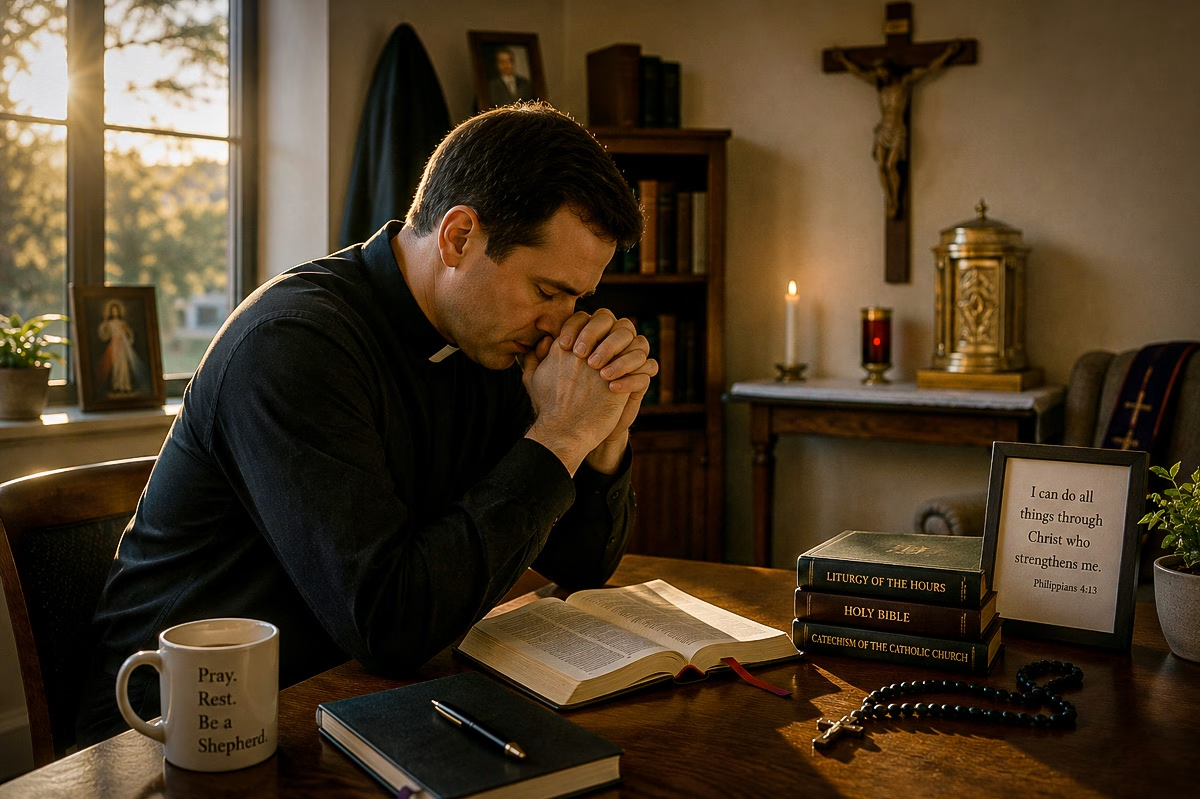
Self-care for a priest is not selfish but a matter of stewardship, sustainability, and fidelity to his vocation. A priest is called to lay down his life in service (John 10:11, the Good Shepherd), but he cannot do so effectively, or for long, if he neglects the body, mind, and soul God entrusted to him. Burnout, resentment, moral failure, or diminished effectiveness often follow when this balance is lost. Caring for oneself enables authentic, joyful, and enduring care for the people.
Biblical and Theological Importance
- Jesus as the model: Christ ministered tirelessly but regularly withdrew to pray, rest, and be with the Father (e.g., Mark 1:35, 6:31-32; Luke 5:16). He told the apostles, “Come away by yourselves to a deserted place and rest a while” after intense ministry. This shows that withdrawal is not an escape but preparation for renewed service.
- Paul’s exhortation: “Pay close attention to yourself and to your teaching; persevere in these things, for in doing this you will save both yourself and those who hear you” (1 Timothy 4:16). Self-examination, discipline, and holistic health are pastoral imperatives.
- Stewardship: Your life, energy, health, and time belong to God (1 Corinthians 6:19-20; 9:27). Neglecting them to appear “super-dedicated” is poor stewardship, not heroism. Self-care honors the dignity of being created in God’s image and loved by Him.
- For the flock’s sake: An exhausted, isolated, or spiritually dry priest cannot preach with conviction, counsel with wisdom, or lead with humility. Healthy priests model the abundant life (John 10:10) and prevent scandal or ineffective ministry.
Church teaching (e.g., in documents like Presbyterorum Ordinis and writings on priestly life) emphasizes a balanced life of prayer, asceticism, and service, with virtues like prudence and temperance supporting sustainability.
Withdrawal is not an escape but preparation for renewed service.
Practical Ways to Balance Self-Care and Care for the People
A priest’s life is inherently sacrificial and “on call,” especially for sacraments like Anointing of the Sick. Balance comes from rhythms, boundaries, and priorities, not rigid equality of time.
- Spiritual self-care (foundation): Daily prayer (Office, Eucharist, adoration, rosary), regular confession, spiritual direction, retreats, and Scripture meditation. This is notoptional; it is the source of pastoral charity. Without it, ministry becomes activism.
- Physical: Sleep (7-8 hours), nutrition, exercise, regular medical check-ups, and a true day off (Sabbath principle). Many priests schedule a weekly “desert day.”
- Emotional/relational: Friendships (priests and non-priests), hobbies, leisure, and support networks. Emotional boundaries prevent absorbing everyone’s crises without processing them. Counseling or peer support groups help.
- Intellectual: Ongoing study, reading, and rest from “work” mode.
- Pastoral: Delegate, train lay leaders, set office hours where possible, and say “no” prudently. Not every request is an emergency or God’s will for youpersonally.
Modeling this teaches the parish that holiness includes wholeness; rest, joy, and limits, rather than perpetual exhaustion.
Self-care is ultimately for others: a rested, prayerful priest brings clearer vision, deeper compassion, and more generous love.
Resolving Perceived Conflicts
When self-care and immediate pastoral needs seem to clash (a common tension):
- Pray and discern: Bring the conflict to the Lord first. Ask: What does love require now? Is this urgent, or can it wait? What is sustainable long-term?
- Prioritize by vocation: Emergencies (death, serious illness) take precedence. Routine demands do not always. Jesus slept through a storm (Mark 4) and delayed for Lazarus (John 11)—timing serves God’s purposes.
- Use prudence and boundaries: Establish clear policies (e.g., after-hours emergencies only). Train parishioners to respect your rest. A good spiritual director or bishop/vicar can help calibrate.
- Accept limits and imperfection: You are not the Messiah; Christ is. Over-functioning can stem from pride, fear of disappointing people, or poor delegation. Sometimes the best care is letting others step up or pointing them to God directly.
- Long-term perspective: Short-term sacrifice is part of priesthood (e.g., Holy Week), but chronic neglect leads to collapse. Periodic assessment (e.g., annual retreat review) helps adjust. If burnout signs appear (cynicism, exhaustion, detachment, health issues), seek help promptly.
Self-care is ultimately for others: A rested, prayerful priest brings clearer vision, deeper compassion, and more generous love. It resolves the false dichotomy, caring for self in order to care better for the flock, all under the Good Shepherd who sustains both. Many priests find that intentional rhythms actually increase fruitfulness over decades of ministry. Seek the wisdom of experienced priests, your bishop, and the Holy Spirit in living this out faithfully.
Deacon Patrick Stokely
Saints Peter and Paul Parish
West Chester, PA