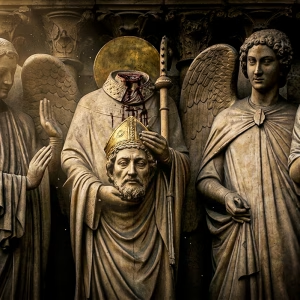

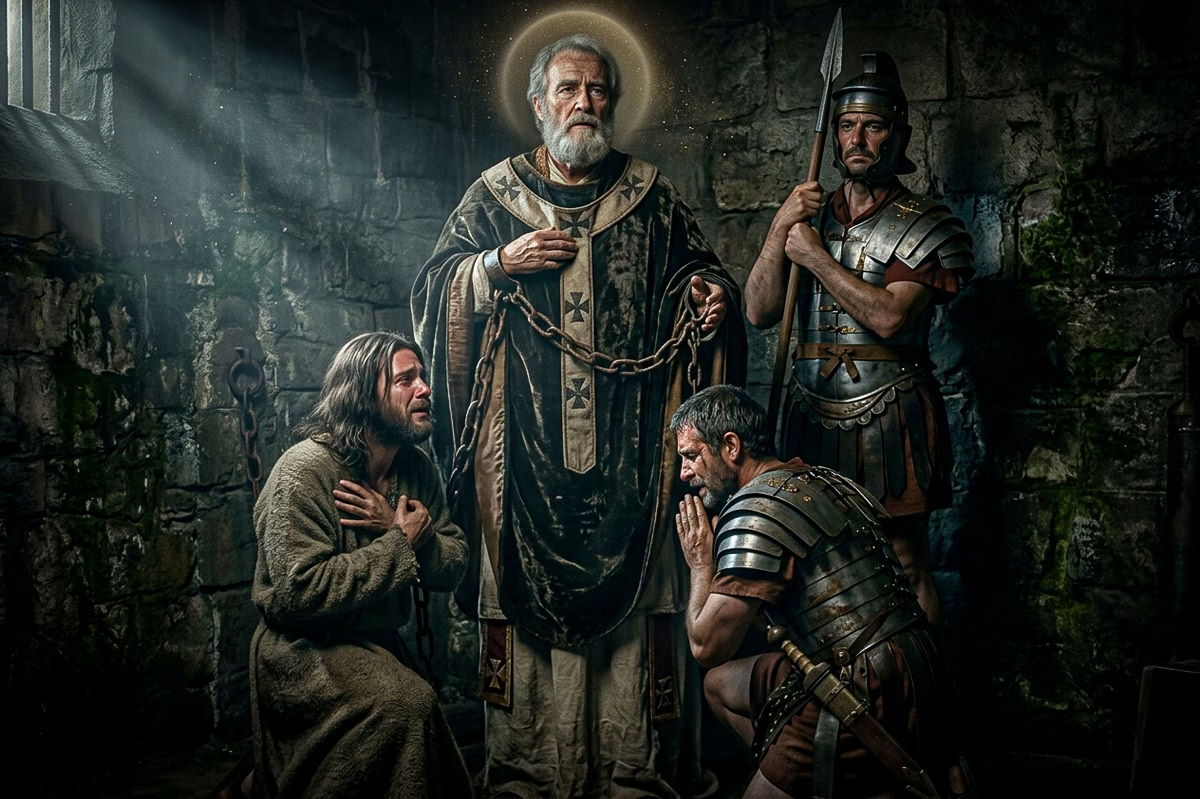
Saint Callistus I: Mercy That Welcomes Back
A former slave who rose through suffering and service to become pope (c. 217–223), Callistus oversaw the Christian catacombs and guided the Church amid persecution. He is remembered above all for insisting that sincerely repentant sinners—even those guilty of grave faults such as adultery—could be reconciled after due penance. This merciful discipline provoked strong opposition from rigorists, yet he held firm that the Church is a hospital for sinners, not a museum of the perfect.
Leadership Lessons for Catholic Leaders
Extend God’s mercy wisely: Balance truth and compassion. Call sinners to conversion while keeping the door of reconciliation open, reflecting Christ’s own heart.
Lead from humility: Callistus’s lowly origins remind pastors that authority is service. Personal wounds can become sources of empathy for others.
Care for the vulnerable: His work with the catacombs shows concern for the dead and the poor—practical charity that honors human dignity.
Stand firm amid criticism: Faithful pastoral decisions may face resistance. Courage means persevering in what serves the salvation of souls.
Reflection Questions & Personal Application
St. Callistus teaches that effective leadership unites justice with mercy. By welcoming the repentant without compromising the Gospel, clergy and parish leaders make the Church a true place of healing and hope.