
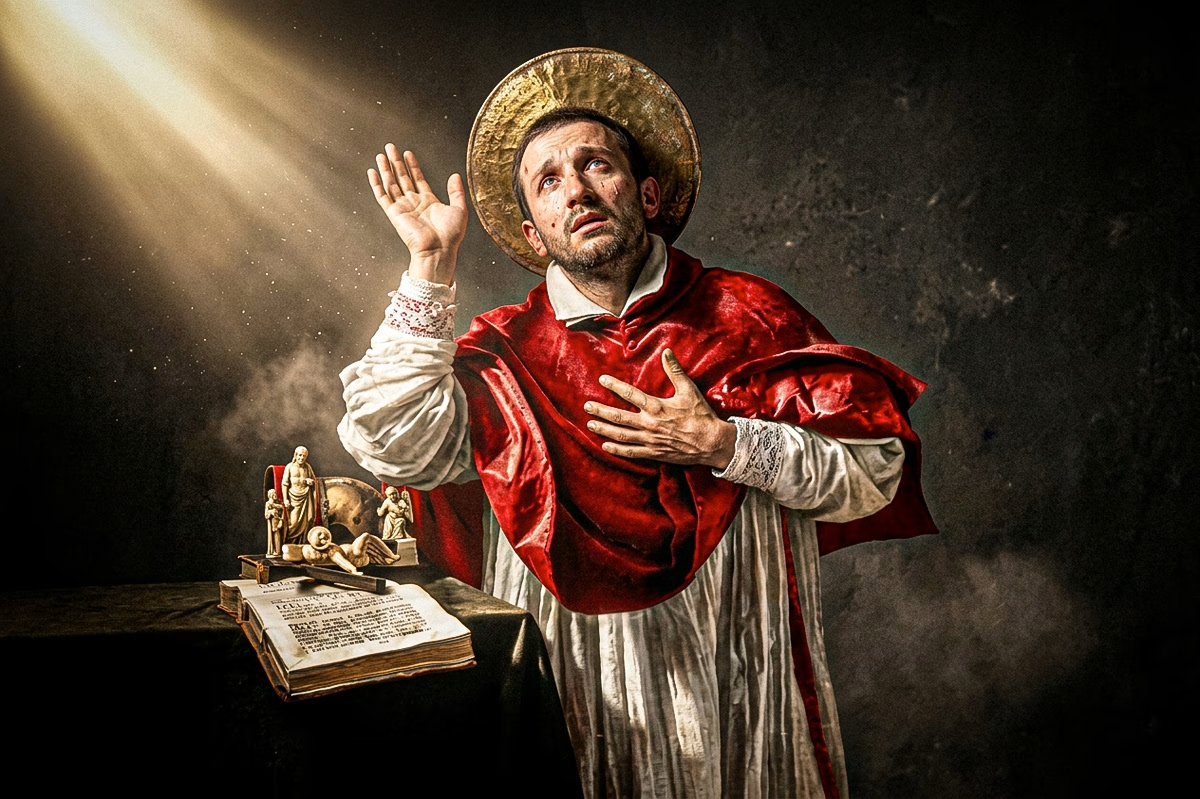
Saint Charles Borromeo: Reform Through Formation
Catholic parish and diocesan leaders can learn practical lessons in reform, presence, and formation from St. Charles Borromeo (1538–1584), the Archbishop of Milan who implemented the Council of Trent’s reforms amid plague and resistance.
He prioritized clergy formation by founding the first modern seminaries and requiring ongoing education, discipline, and moral standards—recognizing that poorly formed priests undermine the Church’s mission. Leaders today should invest in priestly formation, accountability, and ongoing spiritual and intellectual development rather than assuming ordination alone suffices.
Leadership Lessons for Catholic Leaders
During the 1576–77 Milan plague, Borromeo stayed in the city, organized relief, visited the sick, and administered sacraments at personal risk. This models pastoral presence in crisis: leaders must remain with their people, coordinate concrete charity, and avoid remote or purely administrative responses when communities suffer.
He enforced Trent’s decrees through synods, visitations, and clear expectations while living simply himself. Effective leadership combines clear standards with personal integrity; reform fails if it is only bureaucratic or if leaders exempt themselves from the discipline they require of others.
Borromeo also stressed catechesis and accessible teaching for the laity. Parish and diocesan leaders should prioritize solid, regular formation of the faithful so that reform reaches the pews rather than remaining a clerical project.
Reflection Questions & Personal Application
In short, Borromeo shows that lasting reform requires well-formed clergy, visible pastoral courage, personal example, and attention to the education of the whole people of God.