

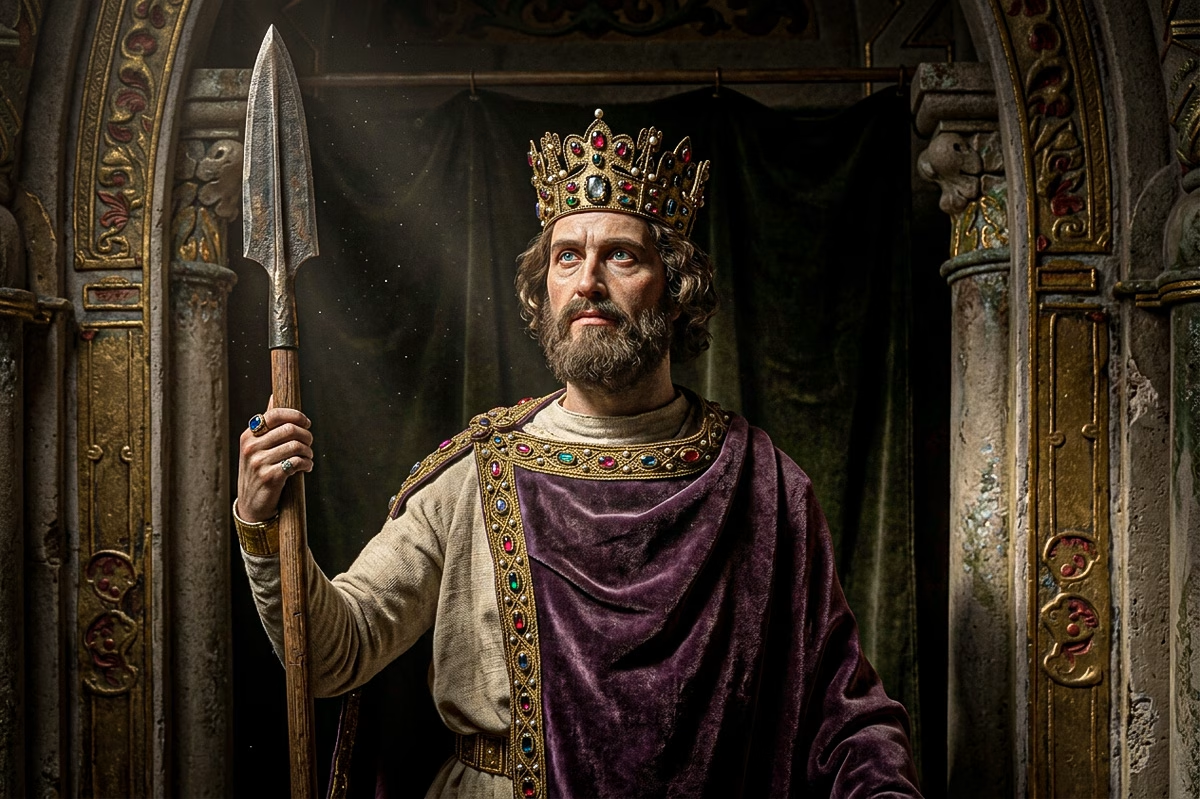
Saint Henry II: Leading with Integrity
Catholic parish or diocesan leaders can learn valuable lessons from Saint Henry II (973–1024), Holy Roman Emperor and King of Germany, whose feast day is July 13 (with his wife, Saint Cunegund).
A powerful ruler who used his authority for the Church’s good, Henry supported monastic reform, founded dioceses and churches, promoted justice, and lived a chaste, pious marriage. He and Cunegund were the first royal couple canonized together.
Leadership Lessons for Catholic Leaders
Faithful use of authority: Henry showed that secular power can serve God’s Kingdom—advocating Church reform (Cluniac movement), building sacred places, and defending the faith without confusing roles. Leaders today can influence culture and policy for the common good while respecting the Church’s mission.
Holiness in daily vocation: Despite immense responsibilities, he prioritized prayer, chastity in marriage, and charity. He reminds leaders that sanctity is possible in public life and family, not just the cloister.
Unity and reform: He worked for peace in a fragmented empire and supported renewal from within the Church. Leaders should pursue reconciliation, justice, and spiritual renewal in their parishes and dioceses.
Detachment and legacy: He died childless, having dedicated his reign to God rather than dynasty-building. True leadership focuses on eternal fruit over personal empire.
Reflection Questions & Personal Application
St. Henry models “integral leadership”—uniting competence, piety, and service. In an age hungry for credible witnesses, he shows that public figures can be genuine saints who advance God’s reign.