
Saint Pius V: Reform Through Holiness
St. Pius V (1504–1572), born Antonio Ghislieri, rose from humble shepherd to Dominican friar, inquisitor, and Pope. His short pontificate embodied rigorous Counter-Reformation leadership and deep spirituality.
Leadership Lessons for Catholic Leaders
Practical leadership lessons include resolute reform amid crisis. He implemented the Council of Trent’s decrees by founding seminaries, standardizing the Roman Missal, Breviary, and Catechism, and enforcing clerical discipline. He rejected nepotism and luxury, redirecting papal resources to the poor, hospitals, and persecuted Christians. Facing Ottoman threats, he forged the Holy League through persistent diplomacy, enabling the pivotal 1571 victory at Lepanto—demonstrating that unified action under clear vision can overcome superior foes.
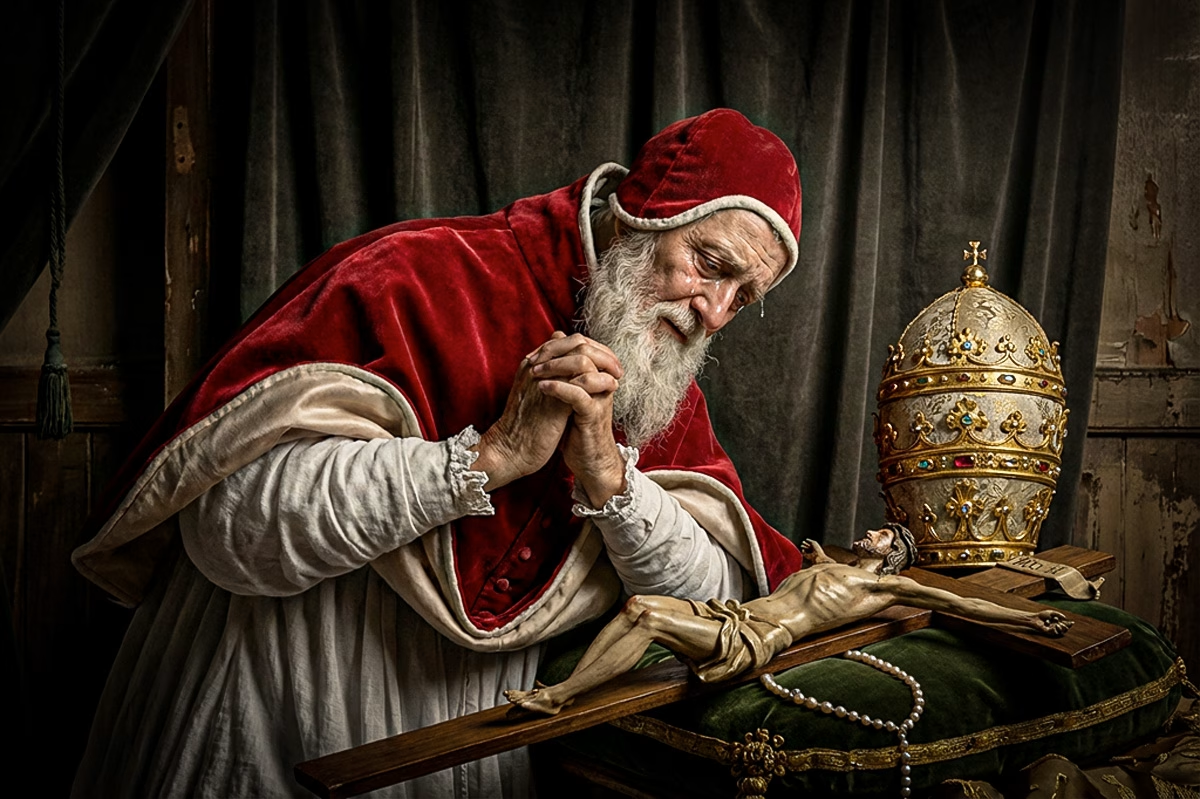
Spiritual learnings center on ascetic prayer, penance, and trust in divine providence. A man of rigorous fasting, long nightly prayer, and Marian devotion, he promoted the Rosary across Christendom; the Lepanto triumph was credited to Our Lady’s intercession, leading him to establish the feast of Our Lady of Victory (now the Rosary). He taught that moral renewal demands personal example, generosity over greed, doctrinal fidelity against error, and reliance on God’s grace rather than worldly power.
Reflection Questions & Personal Application
Pius V shows that authentic leadership flows from holiness: discipline the self first, guard truth courageously, foster unity, and pray persistently. In turbulent times, personal sanctity remains the most powerful reform.