
The Nativity of Mary: The Dawn of Salvation
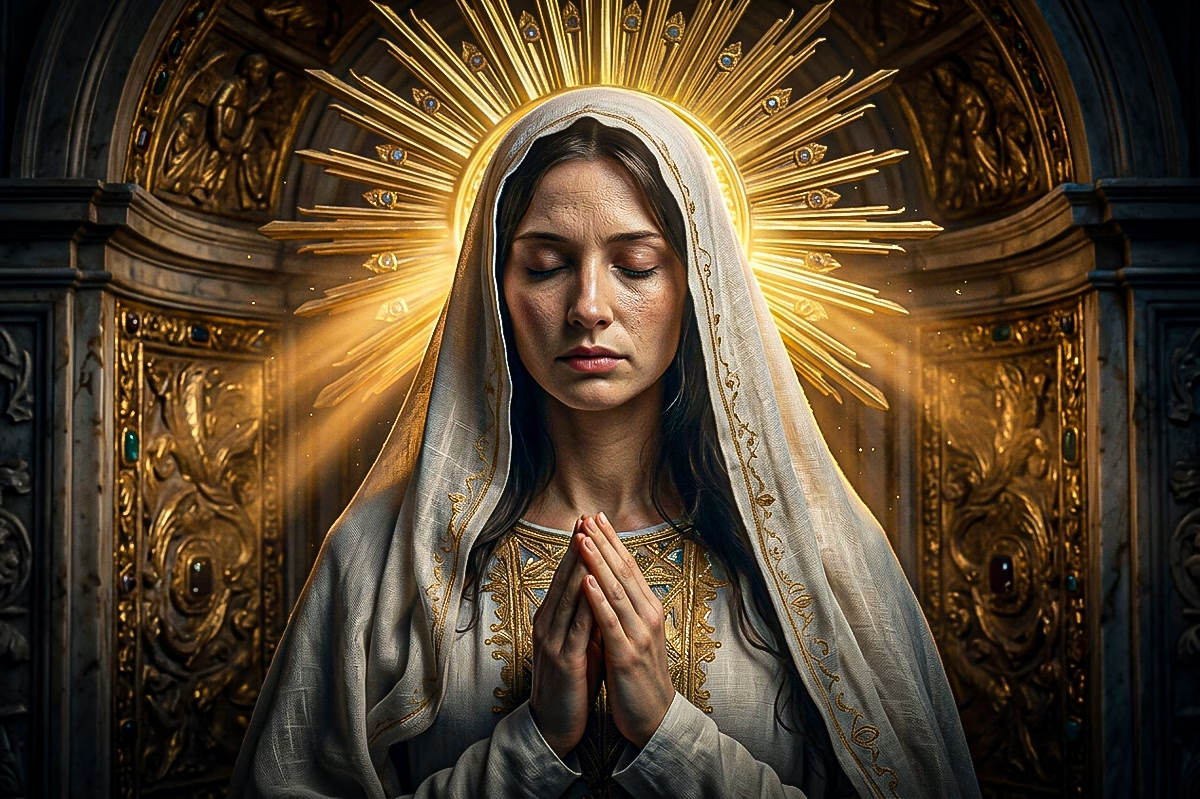
The Nativity of the Blessed Virgin Mary is celebrated by the Catholic Church (and other traditions, including Eastern Orthodoxy) on September 8 each year.
Leadership Lessons for Catholic Leaders
Origins: The feast dates back to at least the 5th–6th century in Jerusalem, tied to the dedication of a church believed to be built on the site of Mary’s family home (traditionally associated with Saints Joachim and Anne, her parents).
September 8 Date: It falls exactly nine months after the Feast of the Immaculate Conception (December 8), following the Church’s pattern of celebrating conceptions nine months before births.
Biblical Basis: Mary’s birth isn’t recorded in Scripture. The traditional account of her parents Joachim and Anne comes from the apocryphal Protoevangelium of James (2nd century), not the canonical Gospels — so it’s held as pious tradition rather than doctrine.
Theological significance: The feast celebrates Mary’s birth as the dawn of salvation — she who would become the Mother of God. In the Byzantine tradition, it’s one of the Twelve Great Feasts and actually marks the start of the liturgical year (which begins September 1 in that calendar).
Popular customs: In various cultures, it’s linked to harvest time and sometimes called “Our Lady of the Grape Harvest” or similar names, since it falls during autumn harvest season in many places.