Saint Leo the Great: Clarity in Crisis
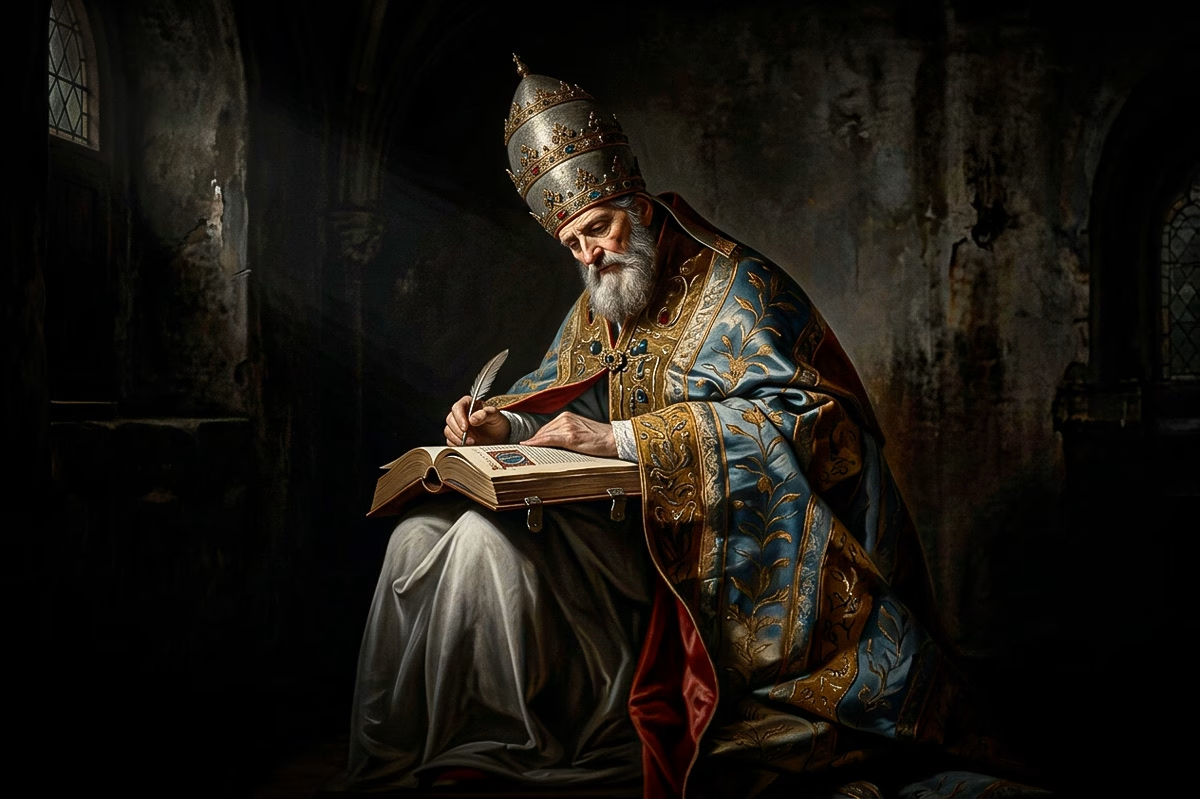
Catholic parish and diocesan leaders can draw practical lessons from St. Leo the Great (Pope Leo I, c. 400–461), who combined doctrinal clarity, crisis leadership, and pastoral authority during a time of external threat and internal division.
Leo is best known for persuading Attila the Hun to spare Rome in 452 and for his decisive role at the Council of Chalcedon (451), where his Tome affirmed Christ’s two natures against Monophysitism. Leaders today can learn the value of clear, confident teaching: when confusion or error spreads, precise, authoritative instruction—rooted in Scripture and tradition—protects the faithful more effectively than vague or delayed responses.
Leadership Lessons for Catholic Leaders
He exercised the Roman primacy not as abstract power but as a practical means of unity and order. Diocesan and parish leaders can imitate this by fostering real communion within their communities: clear expectations, consistent governance, and a willingness to address division rather than tolerate drift.
Leo also modeled presence in crisis. He negotiated with barbarian leaders, organized relief for captives and the poor, and preached regularly to strengthen his people. Modern leaders facing external pressures—cultural hostility, internal scandal, or community trauma—benefit from visible engagement rather than purely administrative distance.
Finally, his extensive sermons show that preaching and teaching were central to his leadership. Effective Catholic leadership still depends on forming minds and hearts through sound doctrine, not only through programs or structures.
Reflection Questions & Personal Application
In short, Leo teaches that strong leadership joins doctrinal fidelity, decisive action in crisis, care for the vulnerable, and the patient work of teaching and uniting the people of God.