

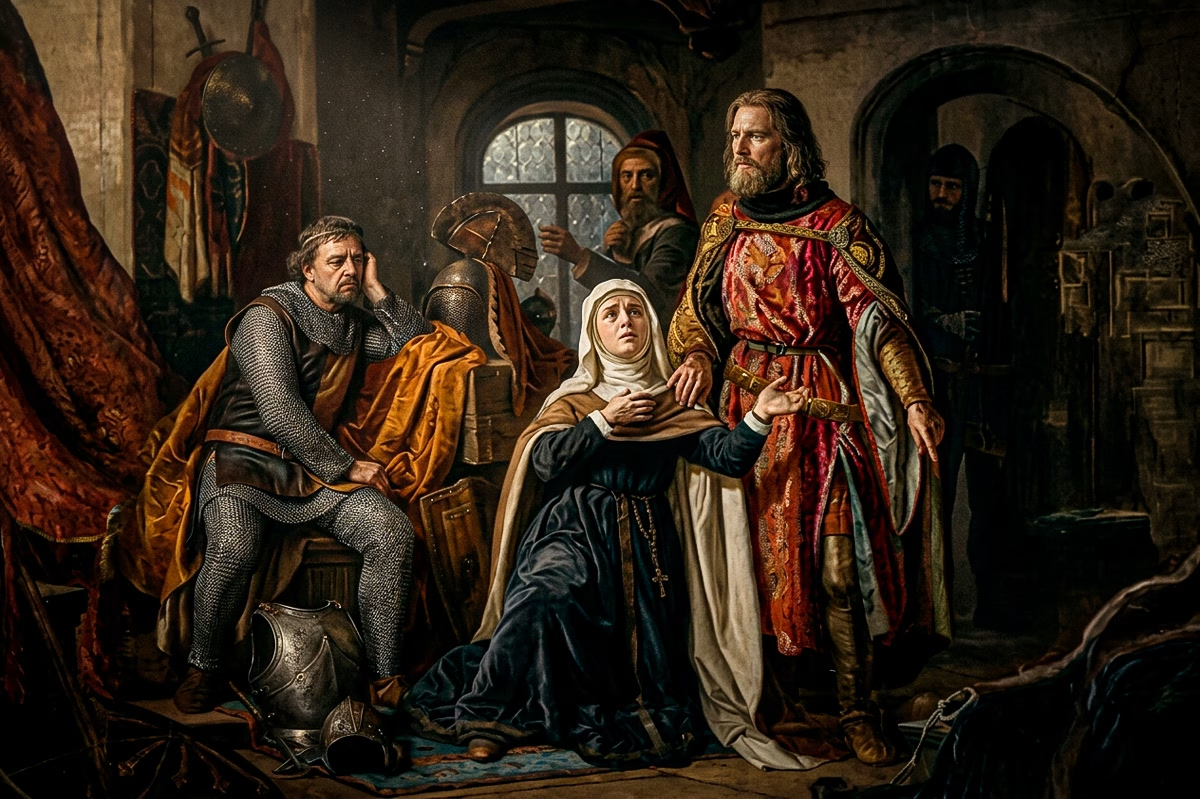
Saint Hedwig: Influence Through Generosity
St. Hedwig of Silesia (also known as St. Hedwig of Andechs; 1174–1243) was a Bavarian noblewoman who became Duchess of Silesia through marriage to Duke Henry I the Bearded. Aunt of St. Elizabeth of Hungary, she is a model of Christian holiness lived amid wealth, family responsibilities, and political life. Her feast day is October 16.
Married at about age 12, she and Henry had several children (most of whom predeceased her). Together they founded monasteries and churches, notably the Cistercian abbey at Trzebnica (Trebnitz), where she later lived. Despite her high rank, she practiced severe austerity: fasting, wearing simple clothes, walking barefoot, and giving generously to the poor, sick, lepers, orphans, widows, and prisoners. She loved the Eucharist, daily prayer, and Scripture, often having it read aloud. After her husband’s death in 1238, she resided at the Trzebnica monastery (without taking full religious vows, so she could continue her charities). She died there on October 15, 1243, and was canonized in 1267 by Pope Clement IV. She is patroness of Silesia, orphans, widows, and those facing family difficulties. What Catholics and priests can learn from her:
Leadership Lessons for Catholic Leaders
- Live detachment and humility even in positions of influence.
- Prioritize works of mercy and support for the Church.
- Combine family life (or pastoral duties) with deep personal prayer and austerity.
- Persevere in faith amid loss, suffering, and worldly pressures.
Reflection Questions & Personal Application
She shows that holiness is possible for rulers, spouses, parents, and widows through charity, prayer, and trust in God.