
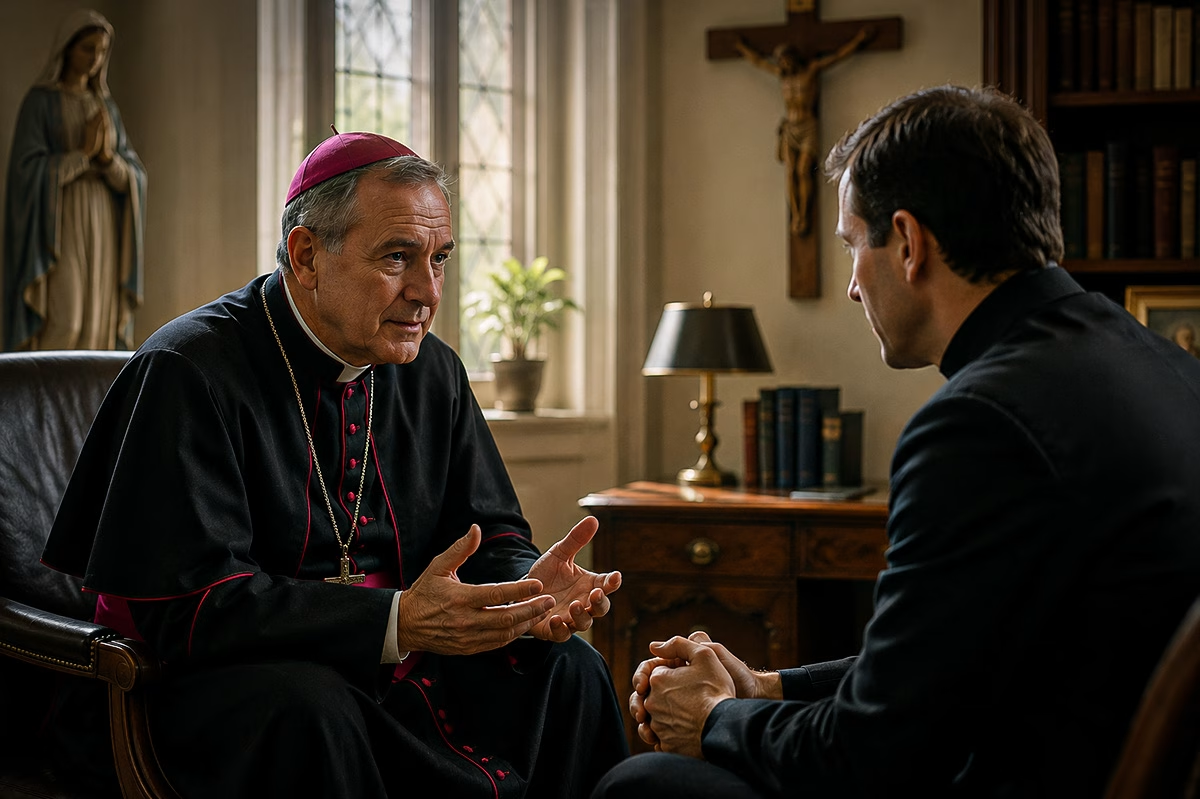
In the daily life of a diocese, a bishop is called to be a true spiritual father to his priests, his sons and brothers in the priesthood of Christ. These men look to him for guidance, formation, encouragement, and at times, the wise flexibility that flows from a father’s love and pastoral experience.
Consider a faithful priest who has stepped in as administrator of a parish and has served it with real dedication and visible fruit. The sacraments are celebrated with devotion, the community is growing in faith and unity, and souls are being cared for with generosity. Yet due to the demands of the parish itself, he has not yet been able to complete an outside leadership formation program that is normally expected before a priest is named pastor.
Listening with a Father’s Heart
As always, such situations begin in prayer. Bringing the priest, the parish, and the needs of the diocese before the Lord allows the Holy Spirit to illumine what truly serves the good of souls. The living fruit of a priest’s ministry, his love for the people, his fidelity, and the health of the parish, often speaks powerfully alongside any formation program.
The Church’s own tradition and canon law recognize the bishop’s authority to make prudent pastoral judgments. Formation programs, including excellent outside leadership courses, are valuable tools meant to strengthen priests and parishes. At the same time, every policy and program exists ultimately for the salus animarum—the salvation of souls, which remains the supreme law of the Church.
Every policy and program exists ultimately for the salvation of souls.
Balancing Formation and Pastoral Realities
A good father desires both ongoing growth for all his priests and fairness across the diocese. He also recognizes that the Lord sometimes blesses a priest’s efforts in remarkable ways even before every recommended step has been completed. In such cases, many bishops have found gentle and effective paths forward, such as:
- Appointing the priest as pastor while encouraging him to complete the leadership formation at a suitable future time.
- Recognizing the exceptional service already rendered and offering the appointment with confidence and continued support.
- Speaking personally with the priest, expressing both gratitude for his work and fatherly encouragement toward further formation.
These approaches honor the importance of professional development while responding to the concrete realities of parish life and the evident graces of ministry.
A wise shepherd balances high standards with merciful realism.
A Reflection of the Good Shepherd
When priests see their bishop exercise thoughtful, prayerful discernment, valuing both formation and fruitfulness, they are strengthened in their vocation. They experience the bishop as a true spiritual father who walks with them, much like the Good Shepherd who knows each of his own.
Formation programs are important gifts to the Church. When used with pastoral wisdom and flexibility, they become even more effective. By balancing high standards with merciful realism, bishops build trust, nurture zeal, and keep the focus where it belongs: on Christ and the souls He has entrusted to our care.
May the Lord grant you wisdom, peace, and a generous fatherly heart as you shepherd both your priests and the flocks they serve. In caring for your priests with truth and tenderness, you care for the whole Church.
Deacon Patrick Stokely
Saints Peter and Paul Parish
West Chester, PA