
Saint Albert the Great: Faith That Thinks Deeply
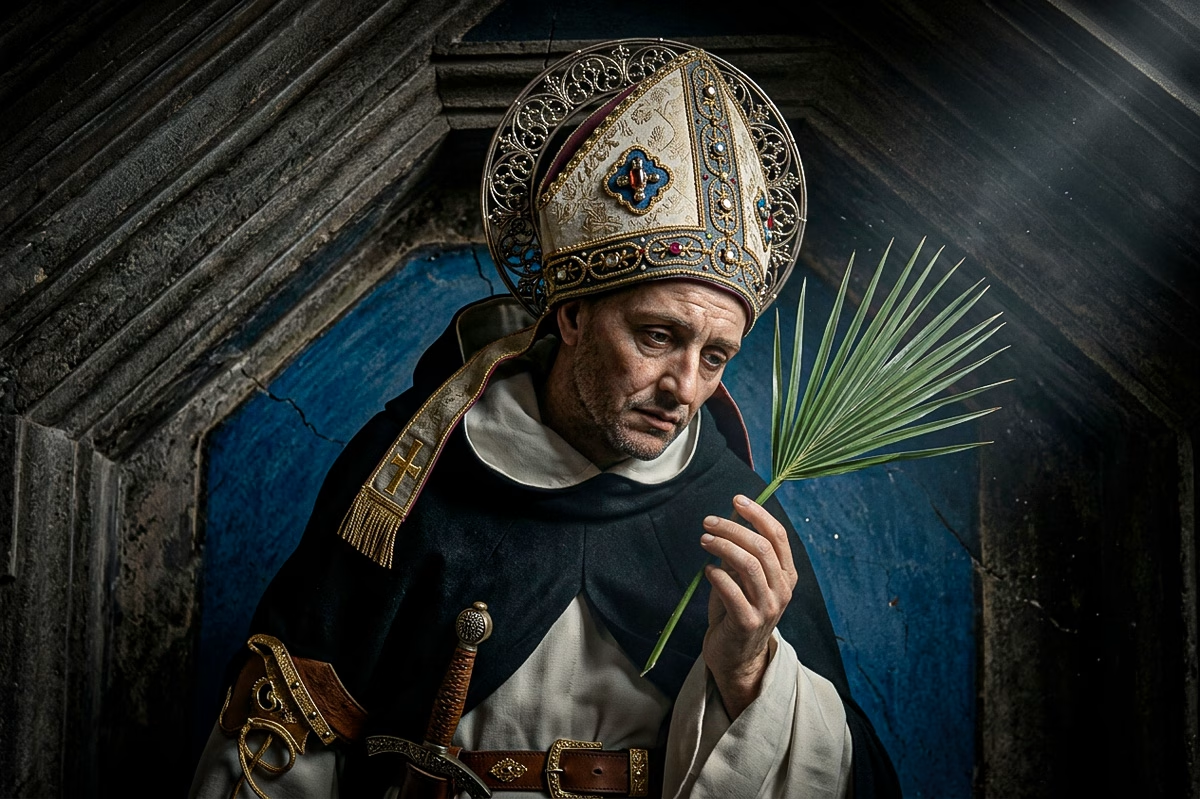
Catholic parish and diocesan leaders can learn from St. Albert the Great (c. 1200–1280), the Dominican bishop, teacher of St. Thomas Aquinas, and Doctor of the Church who united rigorous scholarship with pastoral responsibility.
Albert mastered theology, philosophy, and the natural sciences of his day, insisting that faith and reason are complementary rather than opposed. He saw the study of creation as a path that leads the mind toward God. Leaders today can take from him the duty to foster serious intellectual formation—among clergy, in schools, and for the laity—so that Catholics can engage culture and science with confidence instead of suspicion or superficiality.
Leadership Lessons for Catholic Leaders
As bishop of Regensburg he carried out visitations, corrected abuses, and cared for his diocese, yet he eventually resigned the see to return to teaching and writing. This models both conscientious governance and humility: not every gifted person must remain in high office, and administration should serve the Church’s deeper mission of truth and holiness rather than become an end in itself.
Albert also formed others, most notably Aquinas. Effective leadership includes the patient work of mentoring and transmitting a living tradition of thought and prayer, not merely managing programs.
Reflection Questions & Personal Application
In short, Albert teaches that pastoral leadership is strengthened by intellectual integrity, a genuine harmony of faith and reason, humble service, and the deliberate formation of the next generation.