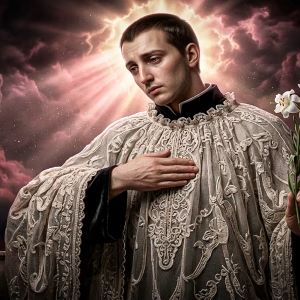


Saint Romuald: Reform Through Silence
A Catholic leader can draw profound lessons from St. Romuald of Ravenna (c. 951–1027), nobleman-turned-hermit, monastic reformer, and founder of the Camaldolese Order.
Leadership Lessons for Catholic Leaders
Radical conversion and compunction: Witnessing his father kill a relative in a duel shattered Romuald’s worldly life. He entered a monastery to atone, embracing strict penance, silence, and solitude. Leaders learn that true renewal begins with honest confrontation of sin—personal and communal—leading to decisive detachment from comfort and status.
Reform through contemplation and community: Dissatisfied with lax monastic observance, Romuald founded hermitages and monasteries blending eremitical solitude with cenobitic life (Camaldoli, c. 1012). His Brief Rule urges loving the cell, detachment, psalmody, reverence, asceticism, and childlike receptivity to grace. He modeled that lasting Church reform flows from deep interior prayer, not mere activism.
Perseverance amid opposition: Facing calumny, assassination attempts, and resistance, he tirelessly founded houses across Italy while longing for martyrdom. His life of hidden fidelity and spiritual fatherhood shows leadership bears fruit through patient endurance and trust in God.
Reflection Questions & Personal Application
St. Romuald teaches Catholic leaders: embrace conversion, cultivate contemplative silence, and reform by example—renewing the Church one faithful cell at a time. “Sit in your cell as in paradise.”