
Saint Stephen of Hungary: Authority Under God
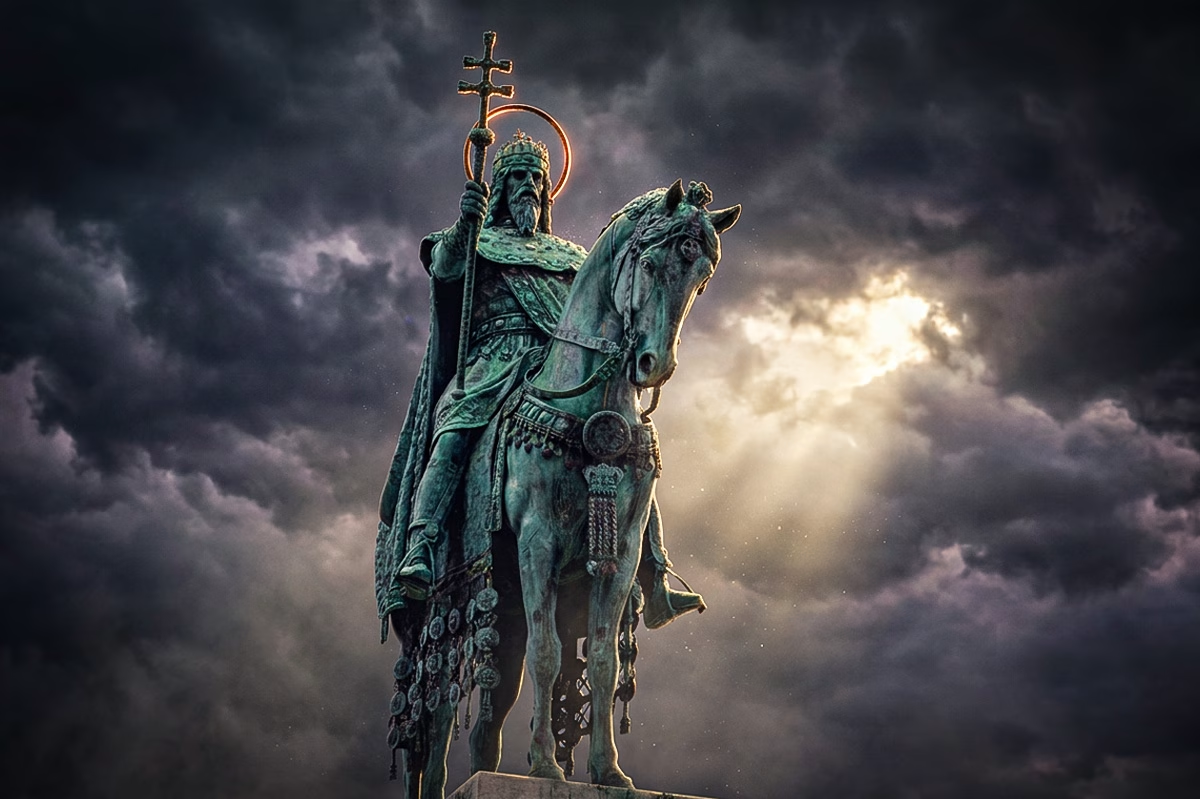
Catholic leaders can learn from St. Stephen of Hungary (c. 975–1038), the first Christian king of Hungary and founder of the Hungarian state, a model of using temporal authority for the Gospel.
Stephen received baptism as a youth, married a Christian princess, and worked systematically to convert his people from paganism. He established dioceses, built churches, supported the clergy through tithes, and enacted laws that rooted the Catholic faith in national life. Leaders learn that genuine authority serves the eternal good of those governed—promoting justice, education, and the salvation of souls rather than personal power or worldly gain.
Leadership Lessons for Catholic Leaders
In his famous Admonitions to his son Emeric, Stephen outlined essential virtues for Christian rulers: strength (steadfastness in both prosperity and adversity), humility (keeping one’s eyes on eternity), restraint and measured justice, meekness, honor, and patience. He urged mercy toward the suffering and careful, balanced governance. These principles remain timeless for anyone entrusted with responsibility.
Stephen remained prayerful and mindful of the poor despite his royal power. He fought mainly defensive wars, practiced personal humility, and sought the common good of all.
Reflection Questions & Personal Application
His example shows that leadership is authentic only when exercised as service under God, with the faith of the people and their ultimate destiny as the highest priority.